

Synapse VNA
In today’s hospital environment, medical images — such as X-rays, CT scans, MRIs, endoscopy videos, dermatology images, and PDF documents — are generated across numerous departments, devices, and systems.
When each department stores data separately, information becomes fragmented, difficult to locate or share, and costly to manage.
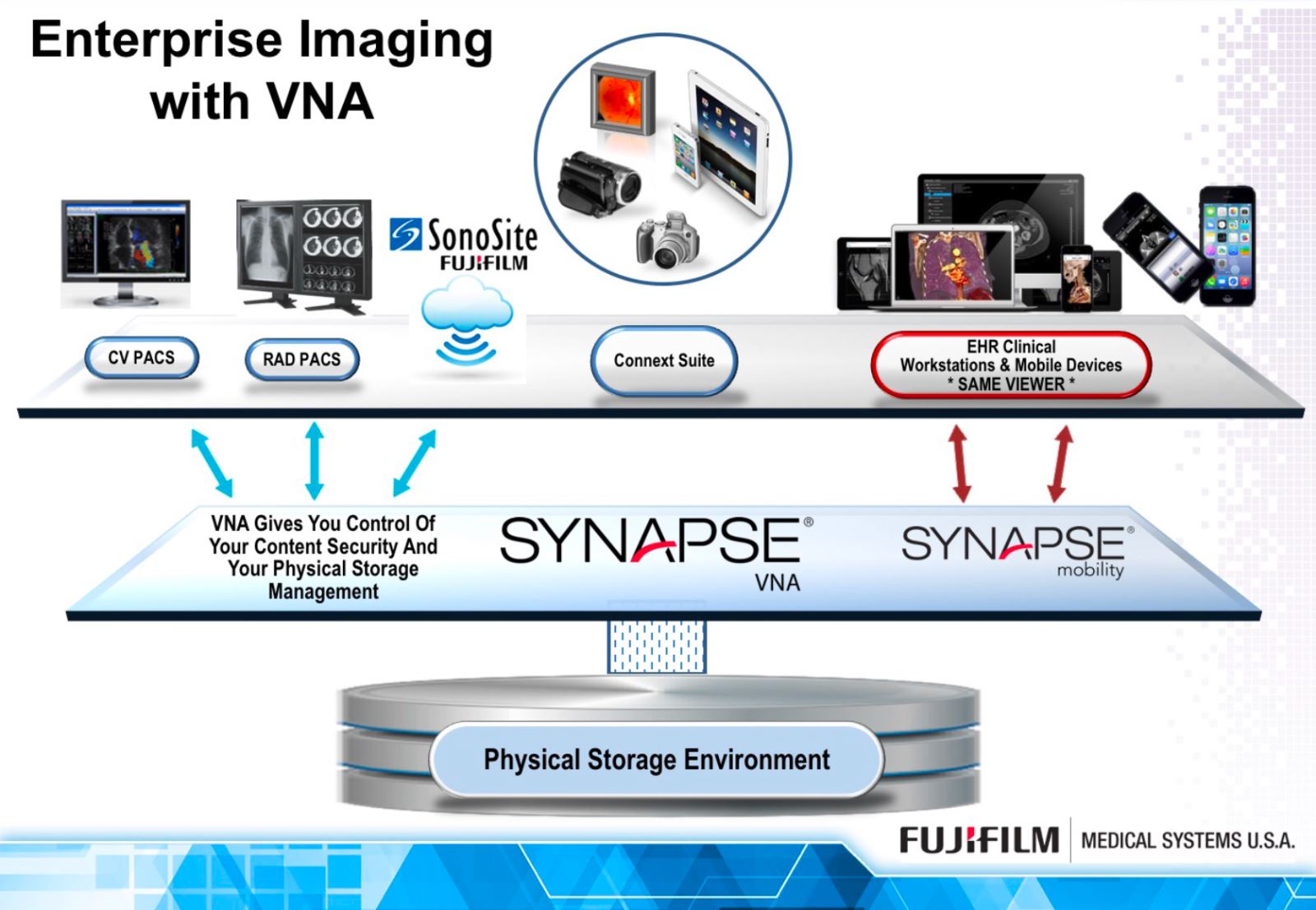
Fujifilm’s Synapse VNA (Vendor-Neutral Archive) provides a centralized solution to manage all medical images and related data — ensuring that every file is stored, accessed, shared, and protected in a unified, flexible, and secure manner.
Key Features
-
Unified management of DICOM and non-DICOM data
Store and manage all formats — including images, videos, PDFs, and JPEG/TIFF files — in a single archive. -
Patient-centric view across the entire care journey
Provide a consolidated view of a patient’s data from consultation and diagnosis to treatment and follow-up. -
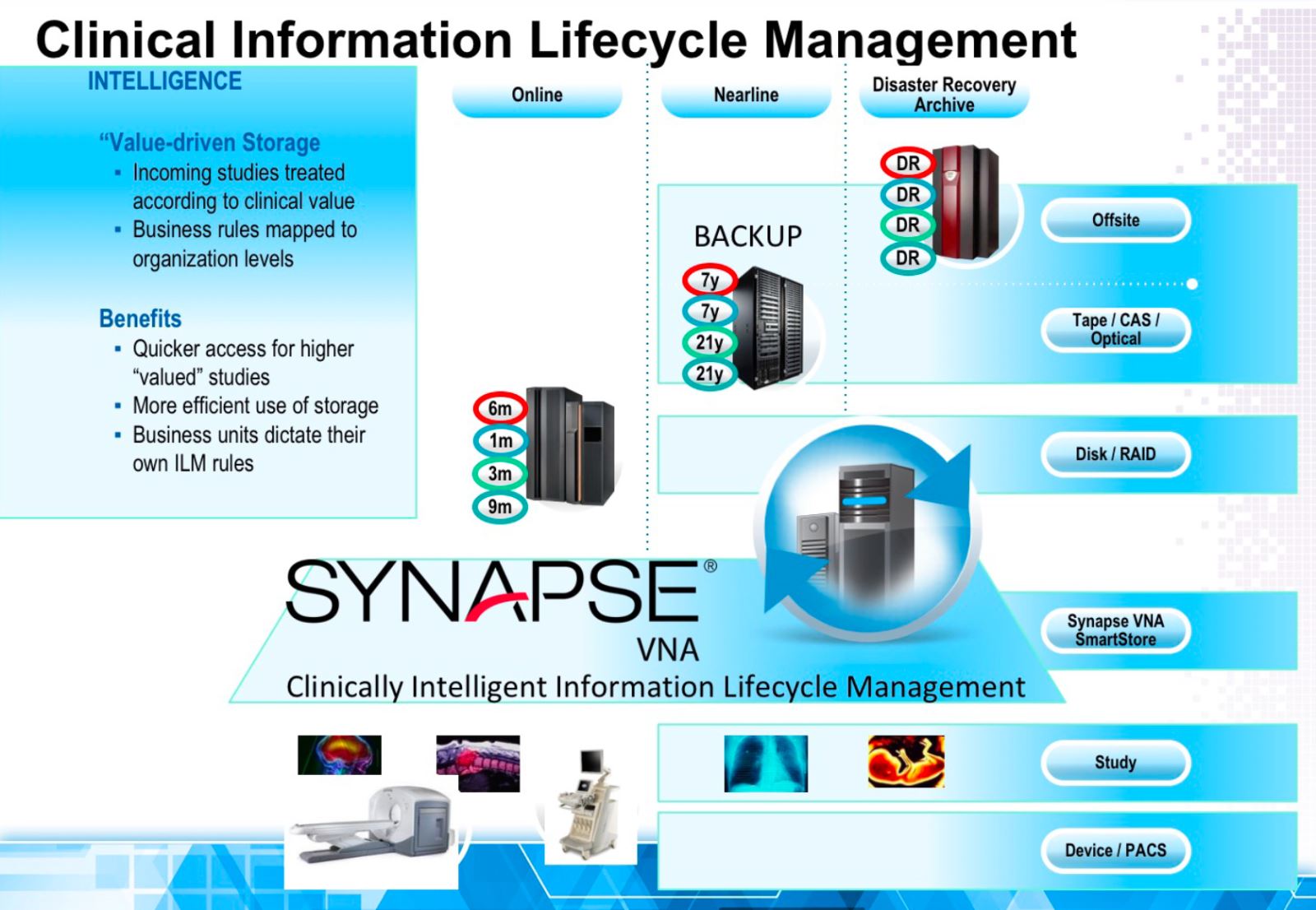
Image Lifecycle Management tools
Control data retention according to policies — from active storage to long-term archiving or deletion when no longer needed. -
Seamless integration with other healthcare systems
Easily connect with HIS, EHR, PACS, RIS, and other systems so all imaging platforms can communicate efficiently. -
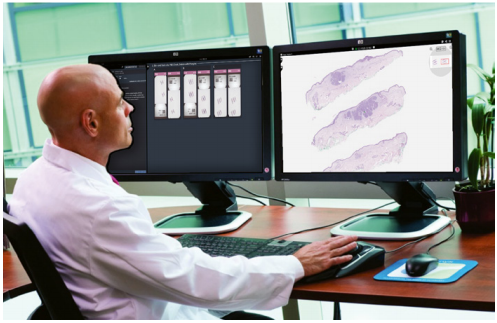
Integrated image and report viewer
The Synapse Mobility Enterprise Viewer allows users to view both DICOM and non-DICOM images anytime, anywhere — even on mobile devices. -
High scalability
Designed to store billions of images, serving multiple departments and facilities while supporting future growth. -
Enhanced security and compliance
Protect patient data through strict access controls, audit trails, and adherence to healthcare data security standards.
Benefits
For Physicians and Healthcare Staff
-
Rapid access to images from any system without delays or switching between platforms.
-
Gain a holistic view of each patient’s record — all images and documents are linked to the medical file.
For Hospitals and Administrators
-
Reduce operational costs by eliminating the need for multiple separate archives and minimizing future data migration.
-
Improve data management efficiency, stability, and scalability as imaging volume increases.
-
Lower the risk of data loss or security breaches.
For Patients
-
Better coordinated care across departments and physicians through seamless sharing of medical images and documents.
-
Shorter diagnostic turnaround times thanks to faster data access.